

A chimney inspection you watch, from local Gainesville pros
A free chimney and fireplace inspection you can follow along with, done by family-run local pros.
- Family owned and run
- Free inspection first
- 100% satisfaction, guaranteed
- Locally owned and operated
Request a Free Inspection
Got it, thank you
Thanks for reaching out. We'll be in touch soon to book your free inspection.
Prefer the phone? Call (352) 675-6366
What's Included
Everything a chimney check covers, inside and out
Ever wonder what a chimney inspector actually looks at? On ours, you're welcome to follow along. Our local, family-run pros check the chimney, the fireplace and the venting as one system, from the cap to the hearth, and talk you through what they see as they go. There's no charge for the inspection, and any repair it turns up comes with a written price.
- Fireplace and chimney inspection as one connected system
- Chimney safety inspection ahead of the burning months
- Real estate chimney inspection for buyers and sellers
- Fireplace inspection of firebox, damper and hearth
- Chimney inspection for home sale deadlines
- Findings explained on site, repairs priced upfront
Photos
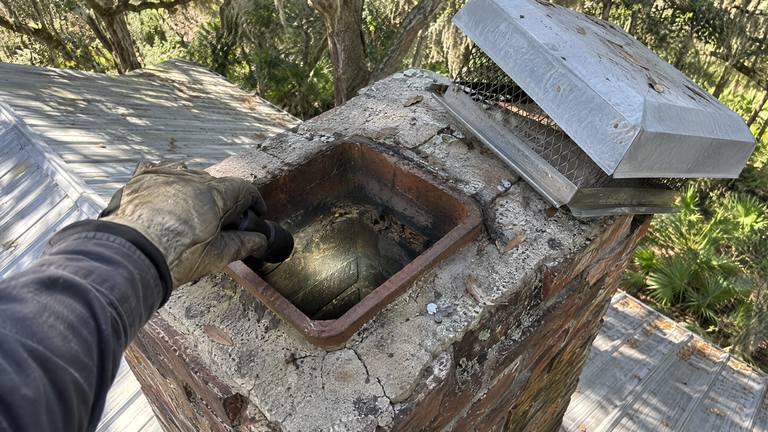
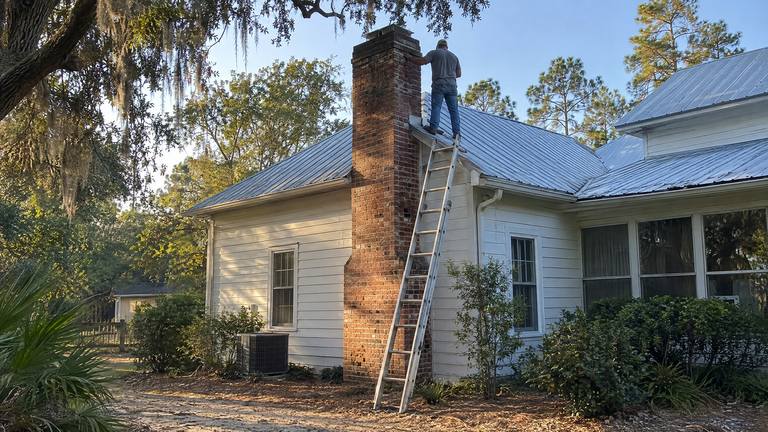
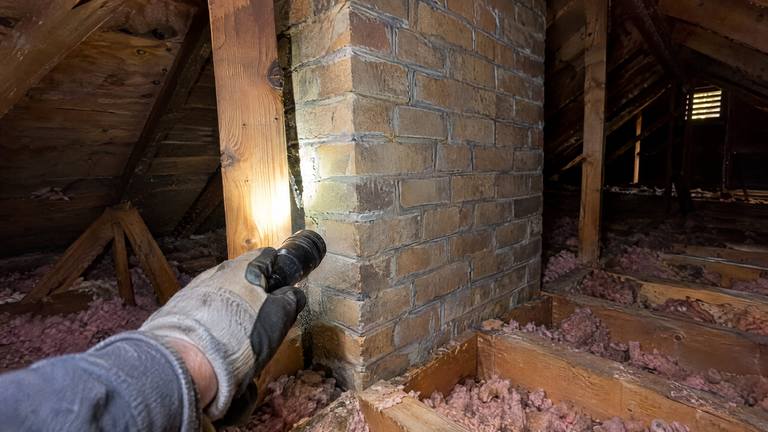
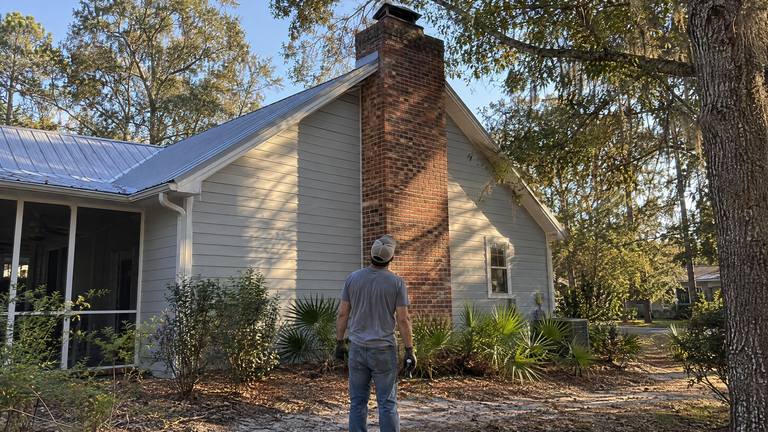
Flues, dampers and chimney tops up close


Our Process
What you'll see during your inspection
-
Start with your questions
Our pro asks what you've noticed and how you use the fireplace, since that shapes where to look closely.
-
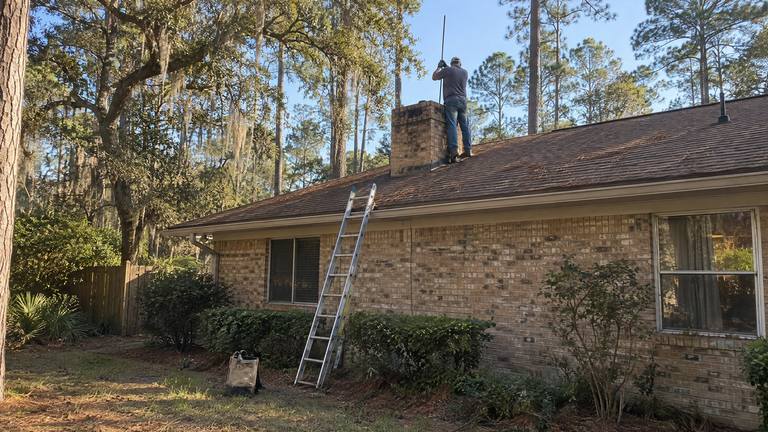
Outside, from yard and roof
Cap, crown, brick, flashing and chimney height are checked against FBC R1003 wherever the roof can be reached safely.
-
Inside, firebox to flue
Firebox, damper, smoke chamber and lining are checked under a strong light, plus attic clearances where there's access.
-
Findings, then written prices
Each finding is explained on the spot and sorted by urgency, and each repair comes with its own price.
Your Options
A routine look or a closer one
Why you want the inspection shapes how deep it goes, and NFPA 211 wants a deeper look in certain cases.
Parts and Materials
The parts our pros check against the code
- Flue lining
- Clay tile, a UL 1777 listed metal liner or a listed factory-built flue, and FBC R1003.11 wants one suited to the appliance.
- Damper
- A metal plate you should be able to work from the room, checked for rust, warping and how tightly it closes.
- Hearth extension
- Noncombustible flooring in front of the opening, sized to that opening under R1001.10.
- Connector and thimble
- Where an insert or appliance ties into the flue, NFPA 211 looks at support, joints and pitch, and FBC R1003.16 covers the thimble.
Estimate Factors
What sets the length of your inspection
Your inspection costs nothing either way. These decide how long it takes and how deep it goes.
Why you want it
A yearly check covers the reachable system, while a sale or a past chimney fire calls for a closer look at more of it.
Ladders, hatches and safe footing
A safe roof and an attic hatch near the chimney let our pros check more in one visit.
Brick or metal fireplace
Factory-built units add the maker's label, listed parts and the chase top to the list.
Flues and appliances
Each extra flue or connected appliance brings its own set of checks.
Claim 10% off your first service
Book your inspection today, and the first paid service that follows takes 10% off.
Free Inspection
The checklist behind your free inspection
- Cap, crown and chimney height above the roof
- Brick, mortar and flashing on every reachable side
- Firebox, damper, smoke chamber and hearth extension
- Flue lining condition and the deposits on it
- Attic clearances and fireblocking where there's access
- Factory-built labels, listed parts and the chase top
- Findings explained on site, repairs priced in writing
Why Choose Us
A chimney inspection service you can follow along with
- Locally owned and run
- A family-run company
- 100% satisfaction guarantee
- Your inspection is free
- Same-day visits available
- Arrange a visit, take 10% off
An inspection should end with you knowing what you have. Our pros show you each part as they check it, tell you what's sound, what's urgent and what can hold for later, and explain everything before they leave. The visit is free, any repair it finds comes with a written price, and we guarantee you'll be satisfied. Ask for yours at (352) 675-6366.
- Free inspection firstThe inspection itself is free, whatever it finds and whatever you decide.
- Locally owned and operatedLocally owned, so the pros who inspect your chimney are the ones you call later.
- Same-day service is availableSame-day inspections are available on some days, handy when a closing date is near.
In Your Area
Home sales and yearly checks around Gainesville
Closing on a house in Newberry, Chiefland or Lake Butler? NFPA 211 calls for a closer inspection when a property changes hands, and we'll look for a slot inside your inspection period.
The same free visit covers the yearly check the standard asks for, so it's worth booking ahead of the months you'll want fires. We inspect chimneys and fireplaces, masonry and factory-built alike, across Alachua and Levy, Bradford, Union and Gilchrist counties, and every visit ends the same way, with our pro showing you each finding up close.
FAQs
Ask us before your inspection
Can you inspect before my closing date?
Give us your closing date on the call. Some days we can inspect the same day, and otherwise we'll look for a time inside your inspection period.
Is the inspection really free, and what do I walk away with?
Yes, the inspection costs nothing. Our pros walk you through what they found before leaving, and any repair they recommend gets a written price.
Do you inspect chimneys in Haile Plantation and Tioga?
Yes. Haile Plantation and Tioga are Alachua County communities close to Gainesville. Save a time at (352) 675-6366.
What does a fireplace and chimney inspection involve?
Our pro checks the outside from the yard and, where safe, the roof, then the firebox, damper, smoke chamber and flue from inside, plus the attic where there's access. You're welcome to follow along, and everything is explained before we leave. Reserve a time and come along for the whole thing.
Does the chimney need checking after a chimney fire even if it looks fine?
Yes. NFPA 211 wants a deeper inspection once a chimney fire has happened, because heat can crack a lining in places you can't see from the firebox. Leave the fireplace unlit until our pros have looked.
Common Problems
What sends people to book an inspection
-
A home inspection report mentioned the chimney
A general report noted something to follow up. Our pros look closer and tell you what it really means.
-
No idea when it was last checked
The chimney's history is unknown. A full look shows its condition before you rely on it.
-
Smoke finding its way indoors
Draft, damper or flue trouble. Our pros find which one and explain the fix.
-
A crack spotted from the driveway
Something up top has moved or worn. The inspection shows how far it goes.
-
Plans for a new insert or stove
The flue has to suit the new appliance. We check its size and lining first.
Get in Touch
Ask for a free look from our pros
Send a few details and we'll call you back to set up a visit.
- Free inspection first
- 100% satisfaction, guaranteed
- No hidden fees, all upfront
Got it, thank you
Thanks for reaching out. We'll be in touch soon to book your free inspection.
Our Services
Work an inspection can lead to


Chimney Guides
Worth a read before you call
-
-
-
-
-
-


Full service details
The standard behind a chimney inspection
NFPA 211 is the fire code standard covering chimneys, fireplaces, vents and the appliances tied to them. It puts every one of them on a yearly inspection for sound structure, clean passages and safe clearances, and it wants a deeper look at certain moments, such as a sale or transfer of the home, a chimney fire, a storm or other event likely to cause damage, a relining job, or a change to a different kind of appliance.
The standard keeps that closer look practical, opening concealed areas only where needed. You hear what we checked and what we found.
Outside the house
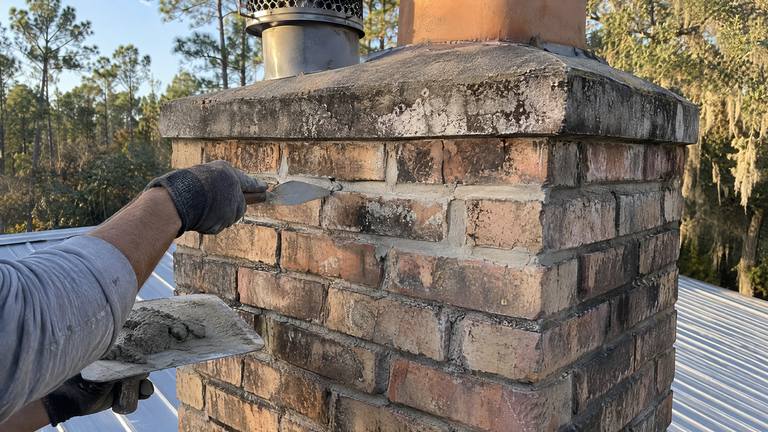
From accessible positions, our pros assess the cap, crown, masonry and roof connection. Chimney height is considered against the applicable requirements for the roof penetration and nearby portions of the building. Access limits or a need for closer examination should be explained with the findings.
A crown should slope, overhang and meet the flue at a flexible joint (R1003.9.1). Cracks, gaps and rust up there are where water gets in first, so they're noted with how urgent each one is.
Inside the room and the attic
Inside, the firebox, the damper and the hearth extension that protects the floor out front come first. Then a strong light goes up the flue to show the smoke chamber and the lining, which FBC R1003.11 wants suited to the appliance, and our pros compare the flue's size to the opening, which R1003.15.1 ties together.
Where access permits, the chimney's separation from combustible framing and its fireblocking need examination. The required arrangement depends on the construction and any applicable code exceptions. Access limits and a need for further investigation should be explained before repairs are selected.
A metal, factory-built fireplace carries a UL 127 listing and has to go in by that listing (FBC R1004.1), with a chimney made for it. Our pros look for the maker's label, confirm the parts match the listing, and inspect the chase top when the chimney is boxed in siding.
When a house with a fireplace changes hands
A general home inspection looks at many systems in a few hours, and the chimney may get a glance from the ground. That's why NFPA 211 asks for a closer look at the time of a sale. Our pros check what a buyer or seller needs to know, from the flue lining to the crown and flashing, and explain it with the parts right in front of you.
Buyers get findings and repair prices in time to use them during the inspection period. Sellers can fix what's found before listing, so the buyer's inspector has less to flag.
Before our pro leaves, you'll know what's fine, what to plan for and what shouldn't wait. Damage is pointed out to you in person, and any repair comes with a free written estimate, so you can decide in your own time.
Reserve the inspection you can watch
Watch our pros check your chimney and fireplace, and hear every finding explained. Set up your visit at (352) 675-6366.
Get a Free InspectionCall the Gainesville chimney experts
(352) 675-6366Inspection at no charge, price in writing before any work