

Guides from our local chimney pros
Every guide leads with a quick answer, then walks through what you're seeing and what to do about it.
- Family owned and run
- Free inspection first
- 100% satisfaction, guaranteed
- Locally owned and operated
Request a Free Inspection
Got it, thank you
Thanks for reaching out. We'll be in touch soon to book your free inspection.
Prefer the phone? Call (352) 675-6366
Chimney Guides
Browse the guides by topic
Signs something's wrong
-
-
-
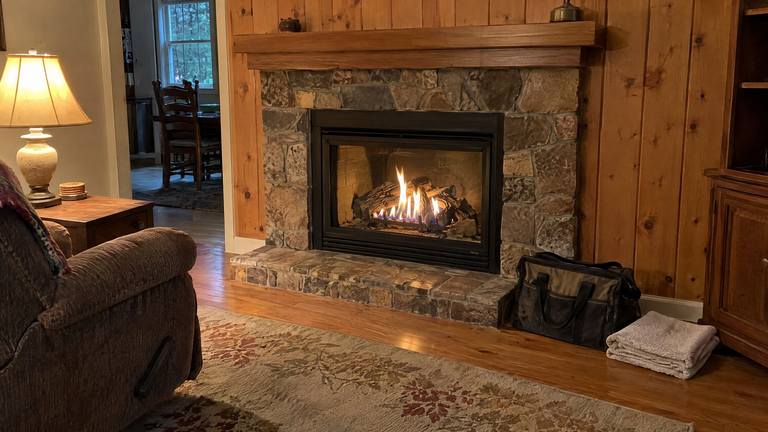


- Out when you let go, or mid-evening? What the timing meansThe timing of a pilot outage helps describe what happened, but several faults can overlap. Use the exact lighting label and arrange diagnosis after its permitted procedure fails.
- Remote not responding? Check the model and permitted controlsRemote systems differ in their power supply, receiver location and permitted owner checks. Use the exact manuals and have unpredictable operation assessed before further use.
- Clicks, hisses or silence? Tracking down a dead gas fireplaceThe model determines which controls and batteries an owner may check. Stop at the manual's limits; repeated failure is a reason for diagnosis, not more ignition attempts.
- Is your chimney damaged? Sort what you see by urgencyObserve visible changes from safe positions, note smoke or movement, and report what you find. A limited view cannot establish the condition of every part of the chimney.
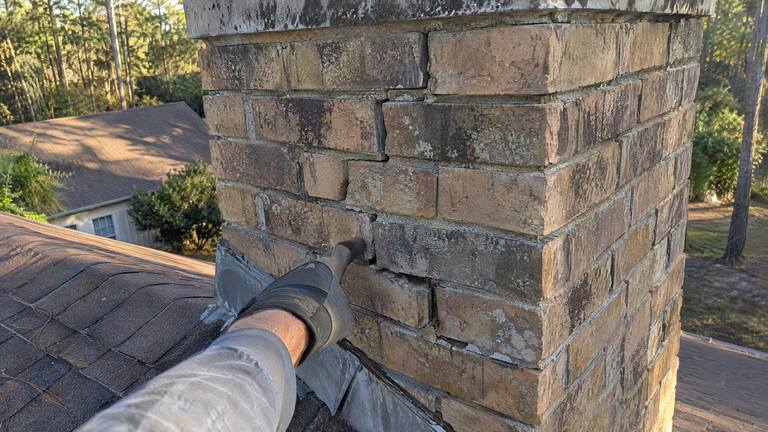
- Why your chimney brick is flaking, and what fixes itWater, the wrong mortar and coatings that seal moisture in are what peel the face off a Florida chimney's brick, and each one has its own fix.
- Why does a chimney leak? Use rain timing as a clueA drip during rain or a stain afterward can help describe a leak. Water may travel through several interfaces before it appears, so the timing alone cannot select the repair.
Prices and what drives them
-
-
-
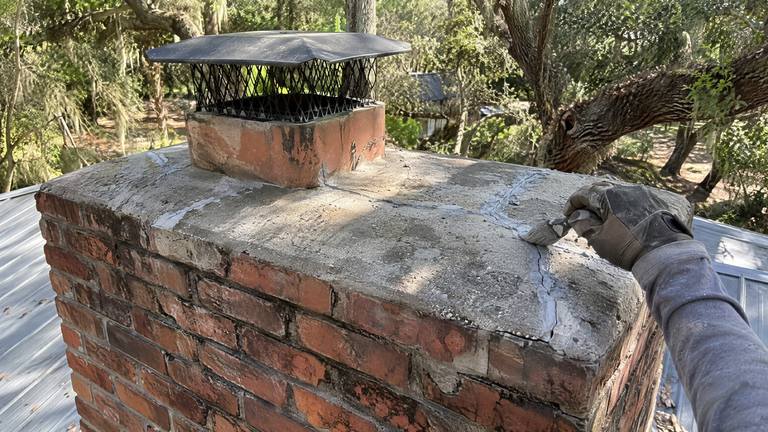


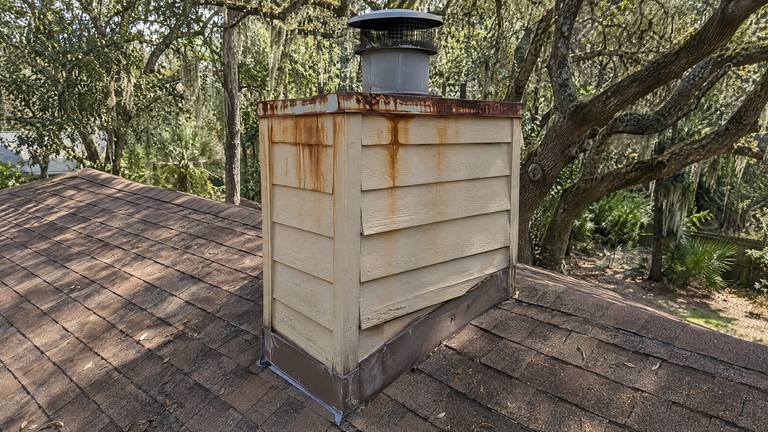
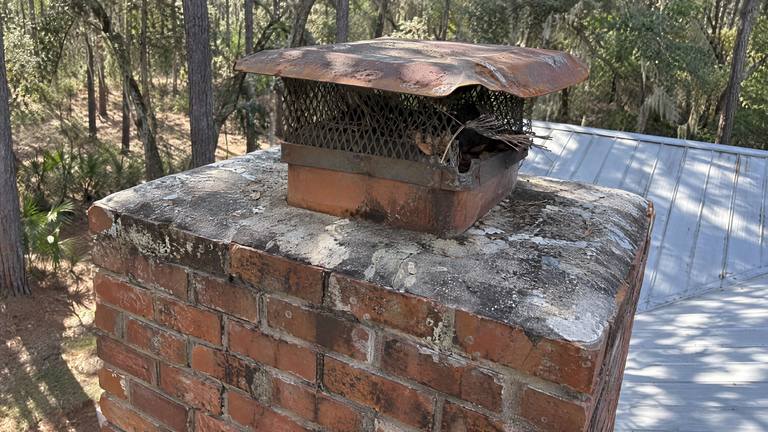
- Reseal, patch or reflash? Sizing your flashing jobThe flashing around your chimney can be touched up, partly replaced or rebuilt on all four sides, and that choice sets most of the bill.
- What an inspection should cover, and why yours costs nothingCompanies price inspections by how much there is to look at and how deep the look goes. We don't charge for ours, so here's what it covers and what's worth comparing instead.
- The appliance you burn picks your liner, and its priceAn open fireplace, wood insert and gas appliance can need different venting arrangements. The approved system, chimney condition, route and access shape the estimate.
- Spot repointing or the whole chimney? What sets the priceHow much of your mortar has failed decides the size of the job, and a few other things decide where in that range it lands.
- The lines on your rebuild quote, and the ones that swing itA rebuild quote is a set of separate lines, from teardown to the permit. Some barely move the total, and a few decide it.
- Your chimney repair bill, from a quick patch to a rebuildWhy two repair quotes can sit far apart, which jobs land at the small and large ends, and the four things that push a repair up a tier.
- What your chimney sweep includes, and what changes its costMaintenance history helps, but the current flue condition and approved cleaning method determine the work. Compare estimates by scope rather than the time since the last sweep.
- Four ways to put in an electric fireplace, priced by the workThe unit is only part of the cost. How it's mounted, whether it needs its own circuit and what finish goes around it decide the rest.
- Start with the room, then pick the fireplace it can takeWhere the fireplace goes decides what kind it can be, and the kind decides most of the price. Here's how the wall, the roof and the floor shape the choice.
- Your fireplace repair bill starts with what it's built fromBrick fireplaces and factory-built units break in different ways and get fixed with different materials, which is why their repairs are priced so differently.
- Vent route, gas line and finish, where your budget goesLogs, inserts and built-in fireplaces involve different installation work. The model and existing house determine which lines matter most in the budget.
- Tune-up, part swap or control job? Sizing your gas repairCleaning, a diagnosed component replacement and more extensive control work involve different tasks. Model, condition, parts and access determine the quote.
How your chimney and fireplace work
-
-
-


Cleaning and upkeep
-
-
-


Fire, smoke and gas safety
-
-
-


- Chirping or wings in the flue? Telling swifts from batsSounds and activity offer clues, but identification and actual occupancy matter. Keep the fireplace unused and seek wildlife guidance before disturbing or closing an occupied chimney.
- Gas fireplace smells like gas: leave first, then get helpA suspected gas leak calls for leaving the building and contacting the gas utility or fire department from outside. Other fireplace odors also need a cause established before further use.
Repair, replace or upgrade
-
-
-
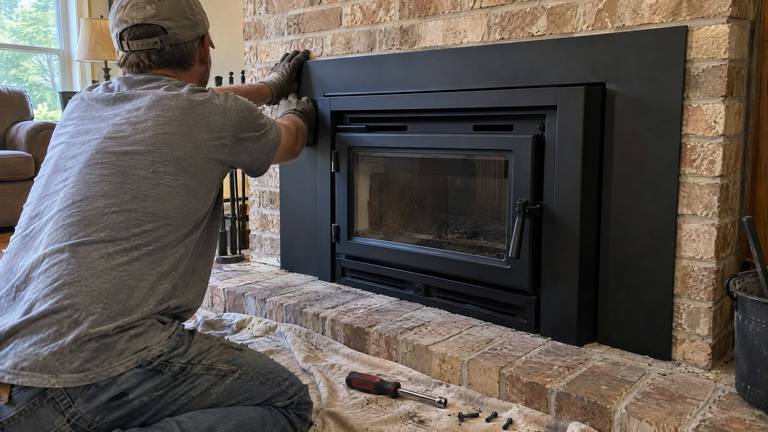


- When patching stops making sense for your chimneyA lot of chimney damage can be repaired. Here's how to tell when it can't, and why rebuilding only the top is the middle path for many chimneys.
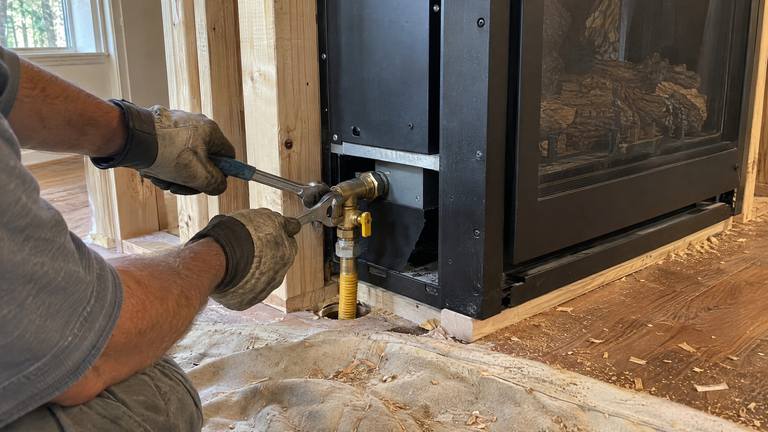
- The chimney check first, then logs, an insert or a new unitGoing from wood to gas can mean a simple set of gas logs or a sealed insert that heats the room. Each route asks something different of your chimney, and each has its own look.

Ready for a free look from our pros?
Family run and locally owned, with free inspections and 100% satisfaction guaranteed. Reach us at (352) 675-6366.
Get a Free InspectionCall the Gainesville chimney experts
(352) 675-6366Inspection at no charge, price in writing before any work